This feature is part of our series called Rooted & Rising. This storytelling campaign is centered on celebrating the unique heritage, lived experiences, and paths that have shaped leaders around the CCS, recognizing that our conference is strengthened by individuals who come from different backgrounds, communities, and walks of life.
In many ways, leadership begins long before the title.
For Courtney Knight, Head Softball Coach at Agnes Scott College, stepping into the dugout each day is about more than lineups and game plans. It is about presence. It is about visibility. It is about understanding the weight — and the opportunity — that comes with being seen.
“As a Black man leading in college athletics, I’ve seen how representation creates space,” he says.
In a sport where Black male head coaches are fewer in number, he is keenly aware of what his presence signals.
“While I coach athletes from all backgrounds with the same commitment, I recognize that visibility matters — especially at the collegiate level.”
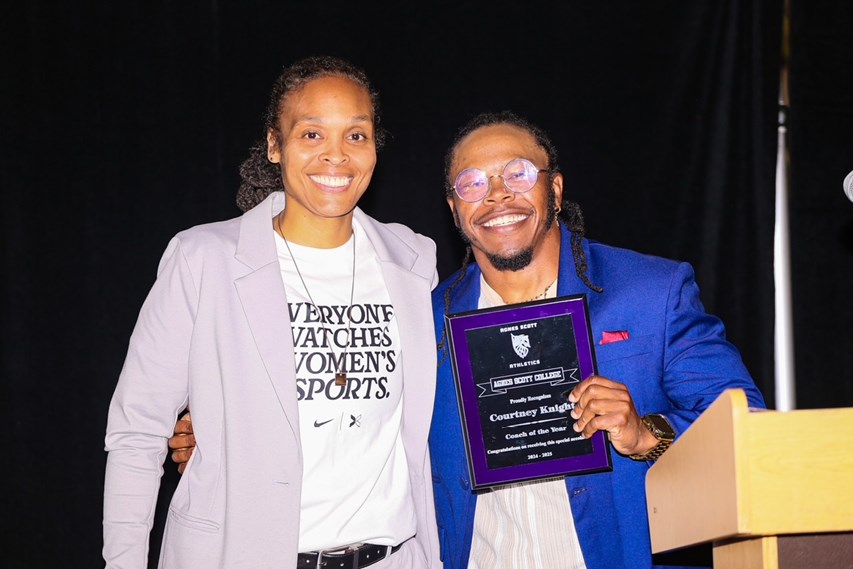
For many student-athletes, that visibility translates into comfort. Into empowerment. Into authenticity.
“My presence in this sport has helped many athletes of color feel more comfortable and empowered to be authentic under my leadership,” he shares.
Representation is not about exclusivity; it is about expansion. It broadens what is imaginable.
“In the campus community, it’s still rare to see a Black man leading a softball program,” he says.
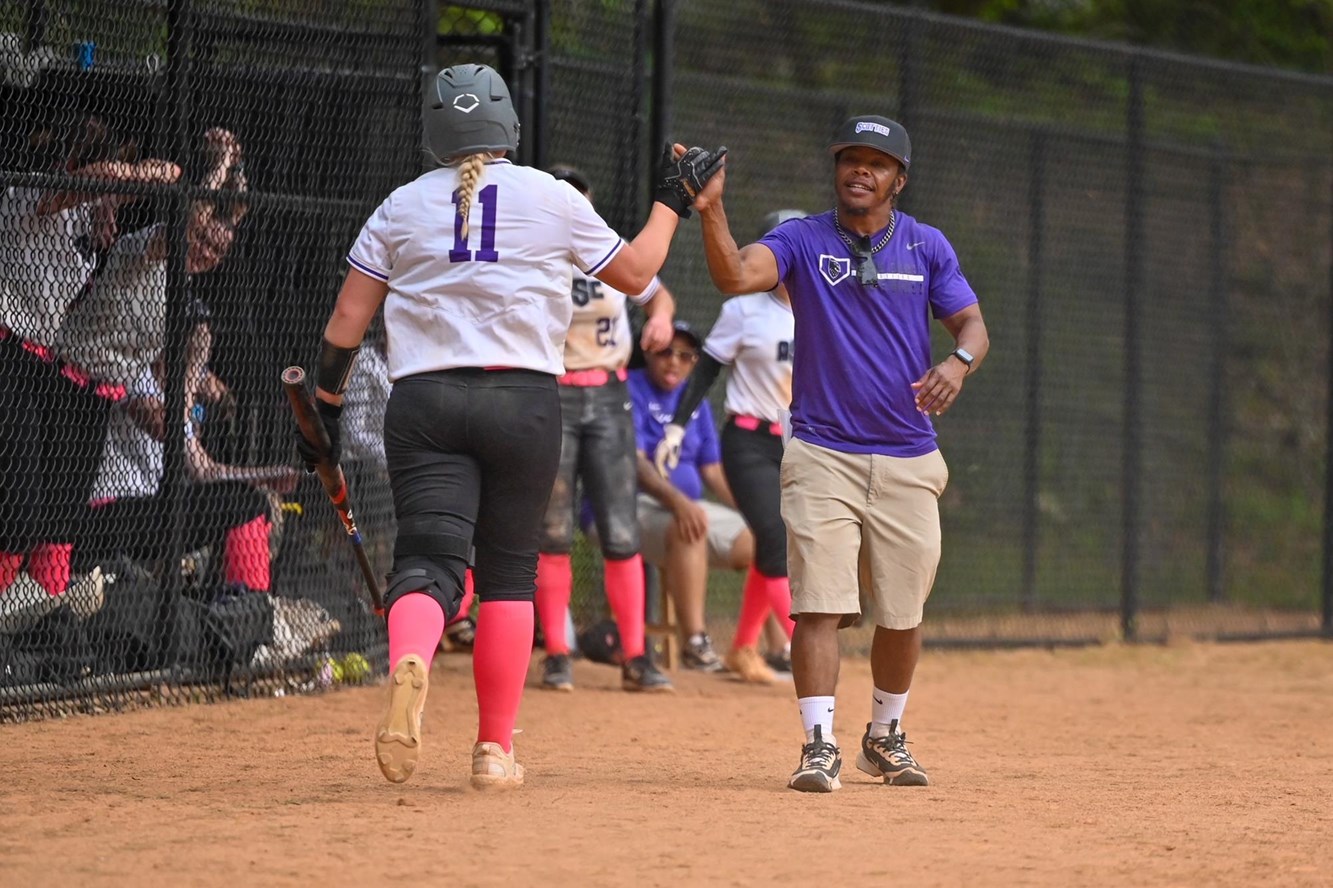
“If my presence helps broaden perspectives or allows even one student-athlete to see new possibilities for themselves, then I know I’m making a meaningful impact.”
Black History Month, for him, is not confined to a calendar page.
“It’s not just about honoring the past — it’s about recognizing that we are living history,” he says. “As my parents have always said, ‘We are all Black history'.”
Those words carry weight because they are embodied in his family’s story.
His mother graduated from a Historically Black College and University and later earned her Master’s in Finance from Columbia University — entering a field at a time when women, particularly women of color, were rarely expected to do so.
His father’s journey traces through baseball and softball, with connections to the Negro Leagues and service during the Vietnam War era — experiences rooted in resilience, perseverance, and pride.
“Both of my parents embody that truth,” he says.
Their example instilled in him an awareness of space — of what it means to enter rooms where you may be the first, or the only.
“I’ve often been a ‘first’ or an ‘only’ in rooms where people of color are underrepresented,” he reflects.
“That awareness shapes how I lead — I show up authentically, commit to growth, and strive to make myself indispensable, knowing that my presence is part of a story still being written.”
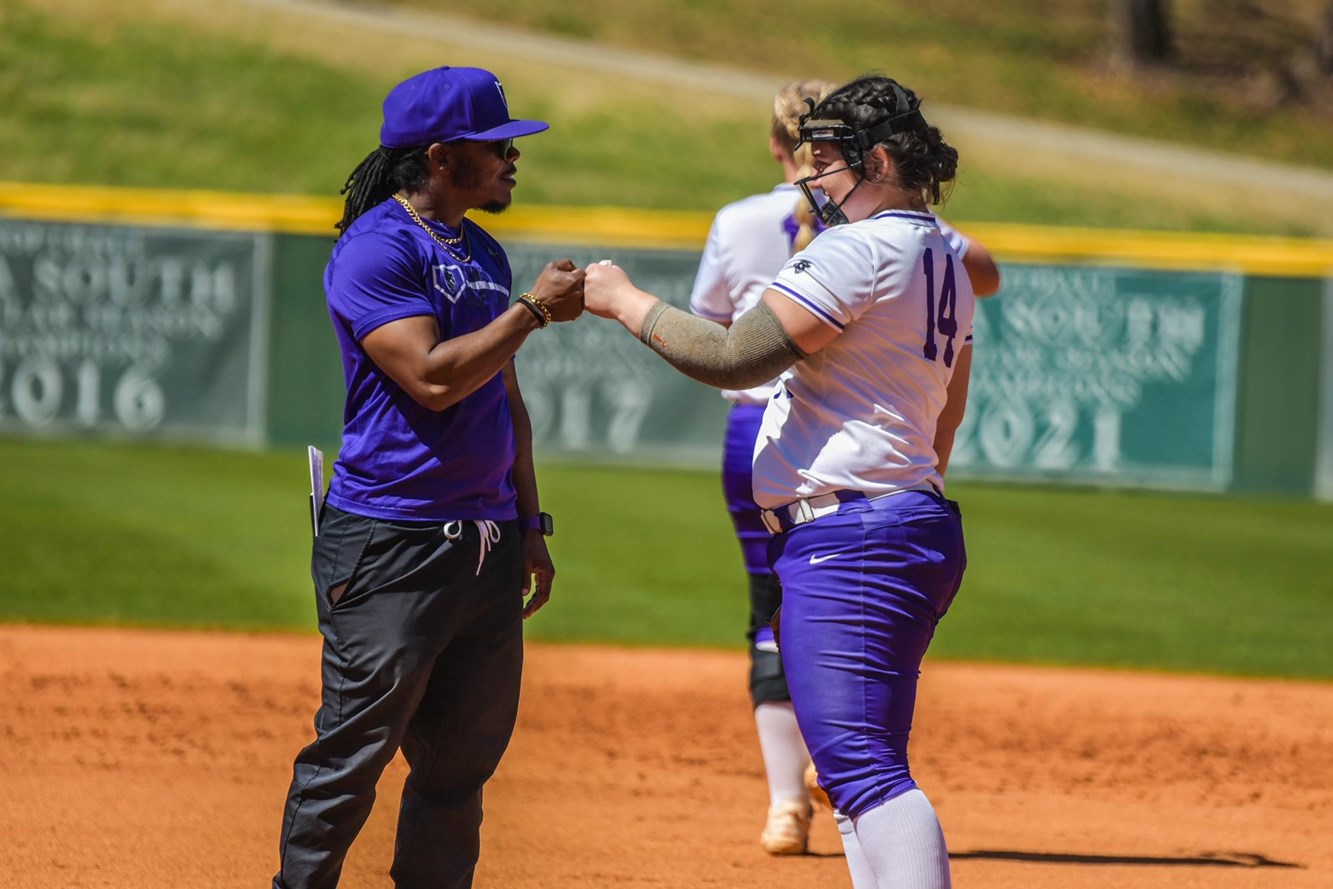
He understands that leadership must be intentional. Each interaction carries meaning. Each conversation matters. Each example set is a signal to the next generation about what is possible.
And perhaps that is the heart of Rooted & Rising — honoring the histories that ground us while recognizing that every day we show up, we are shaping what comes next.
Because sometimes, the most powerful impact is not measured in statistics or standings.
Sometimes, it is measured in the simple but profound truth that someone looked up and saw themselves reflected in a place they once thought they did not belong.